Signals are carriers of messages, feelings, needs, or uncertainties.
Their movement between us serves to strengthen personal resilience and to map local trust.
Their movement between us serves to strengthen personal resilience and to map local trust.
We send messages to one another.
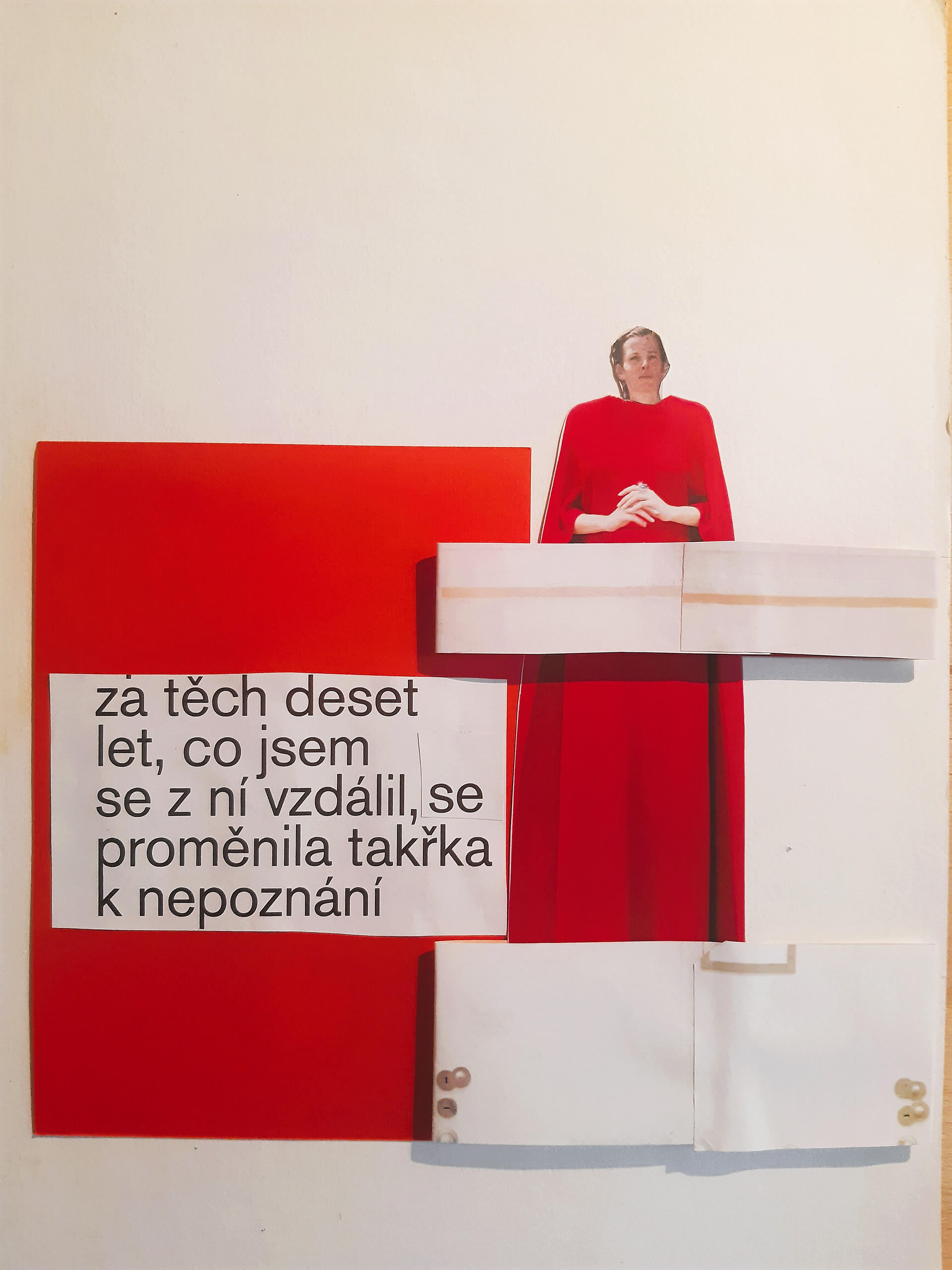
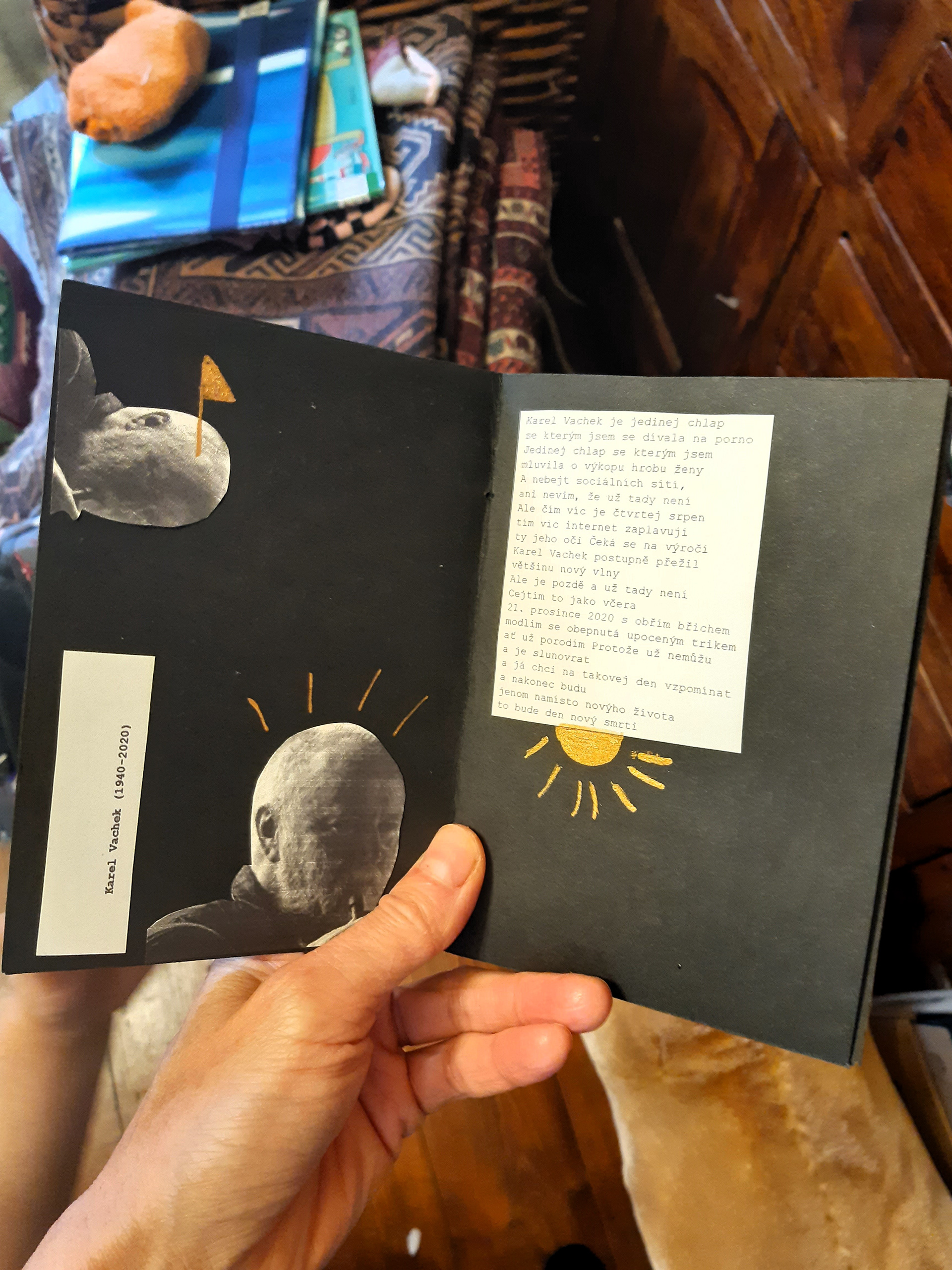
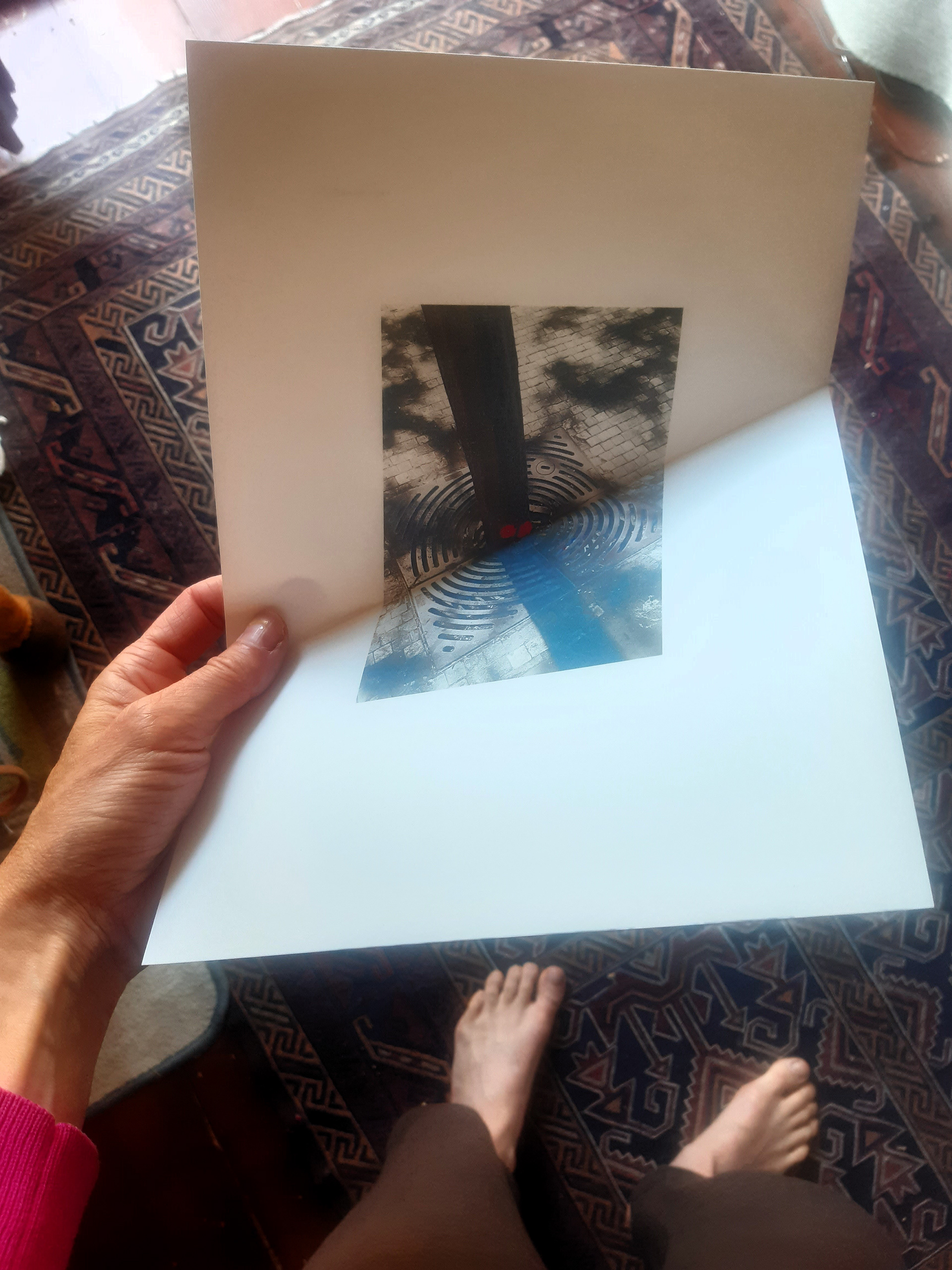
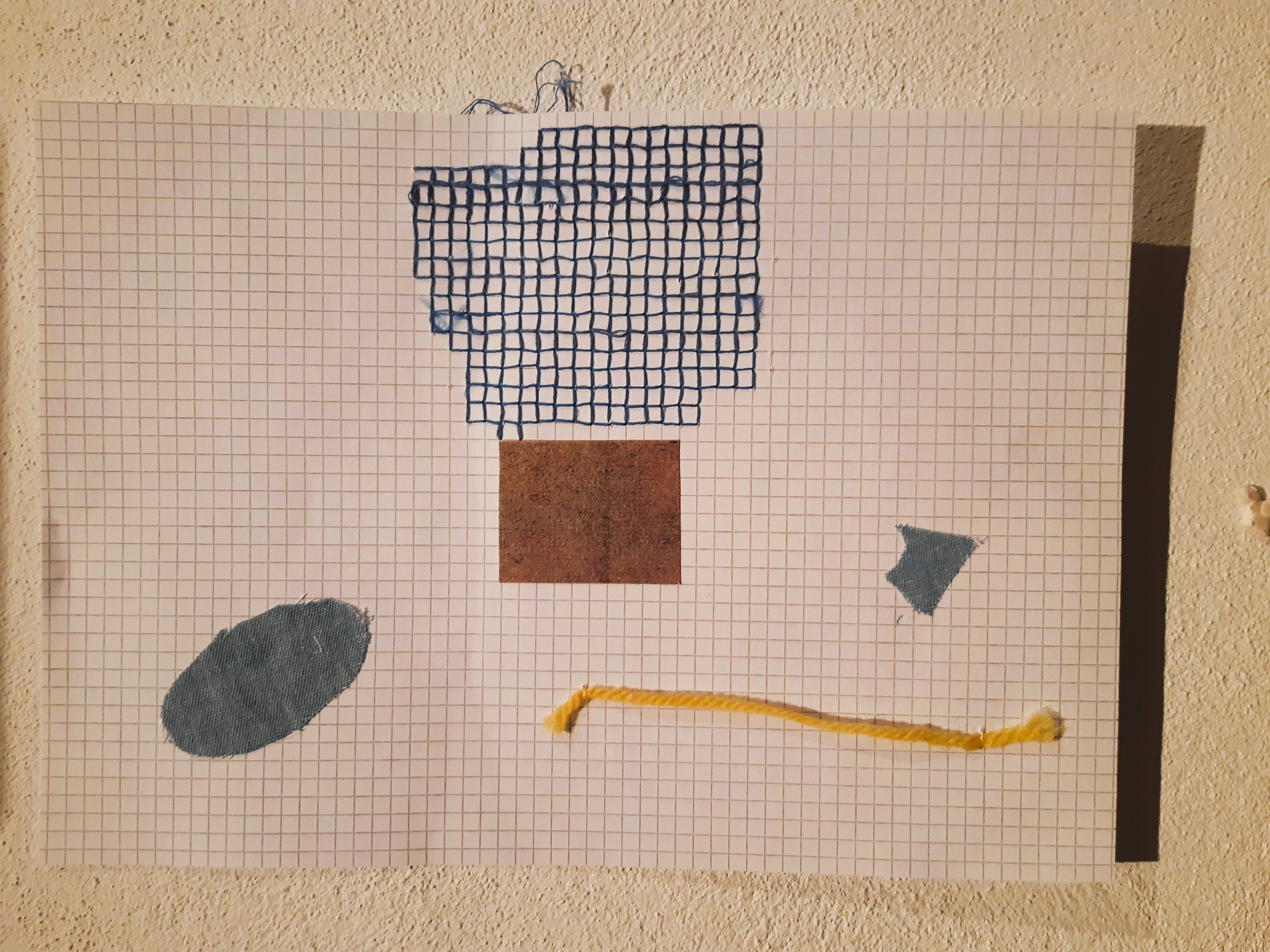
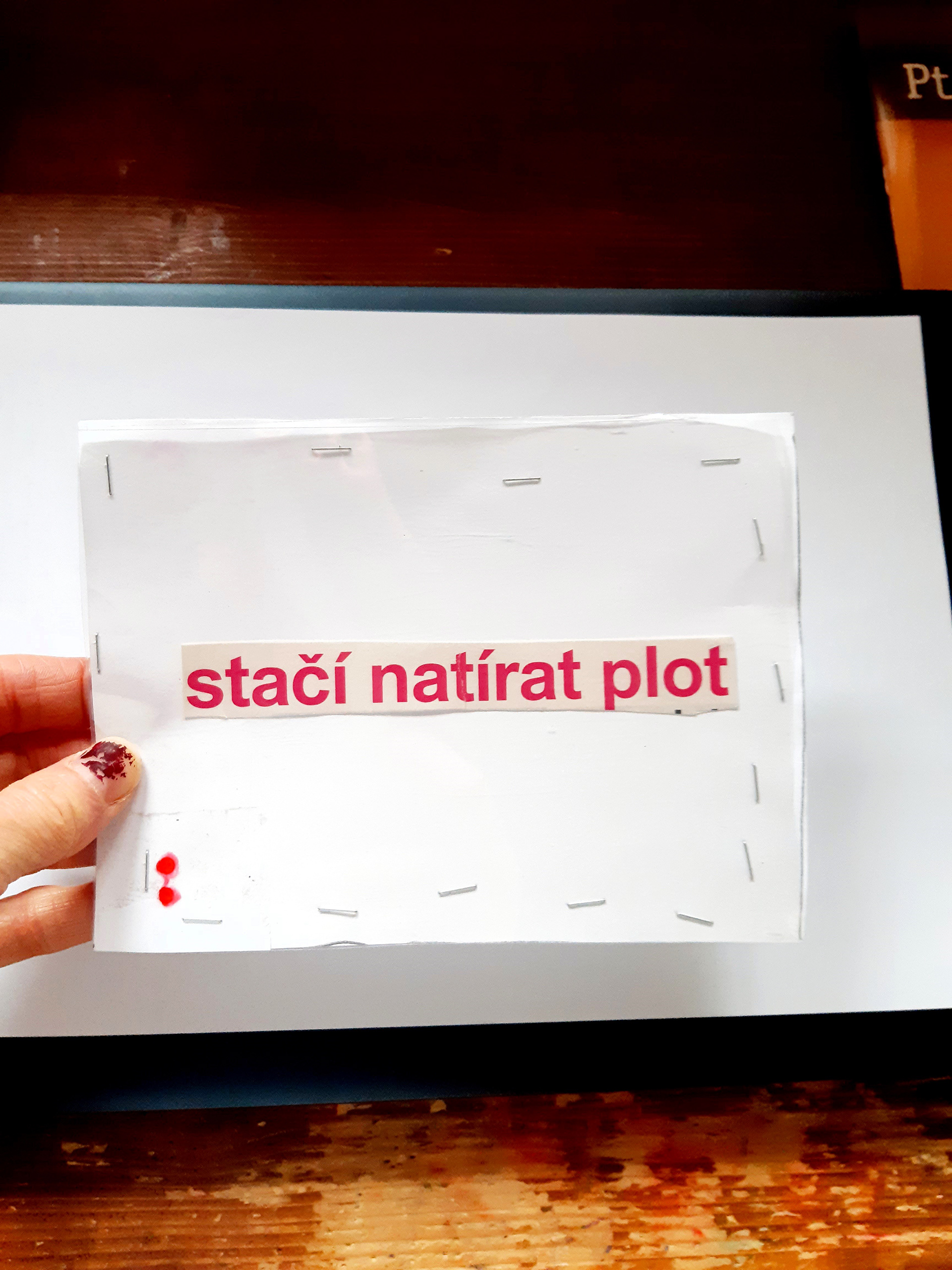
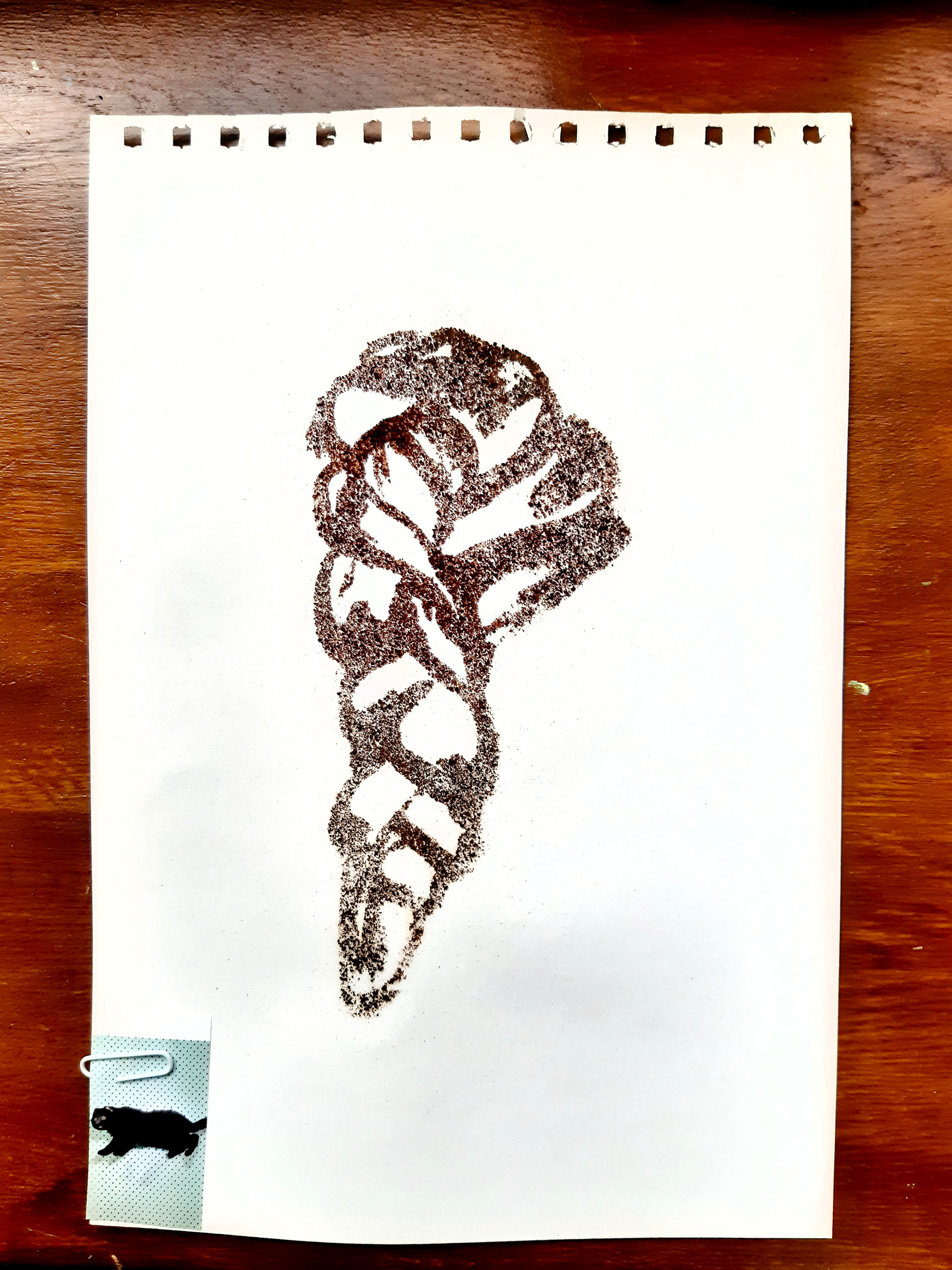
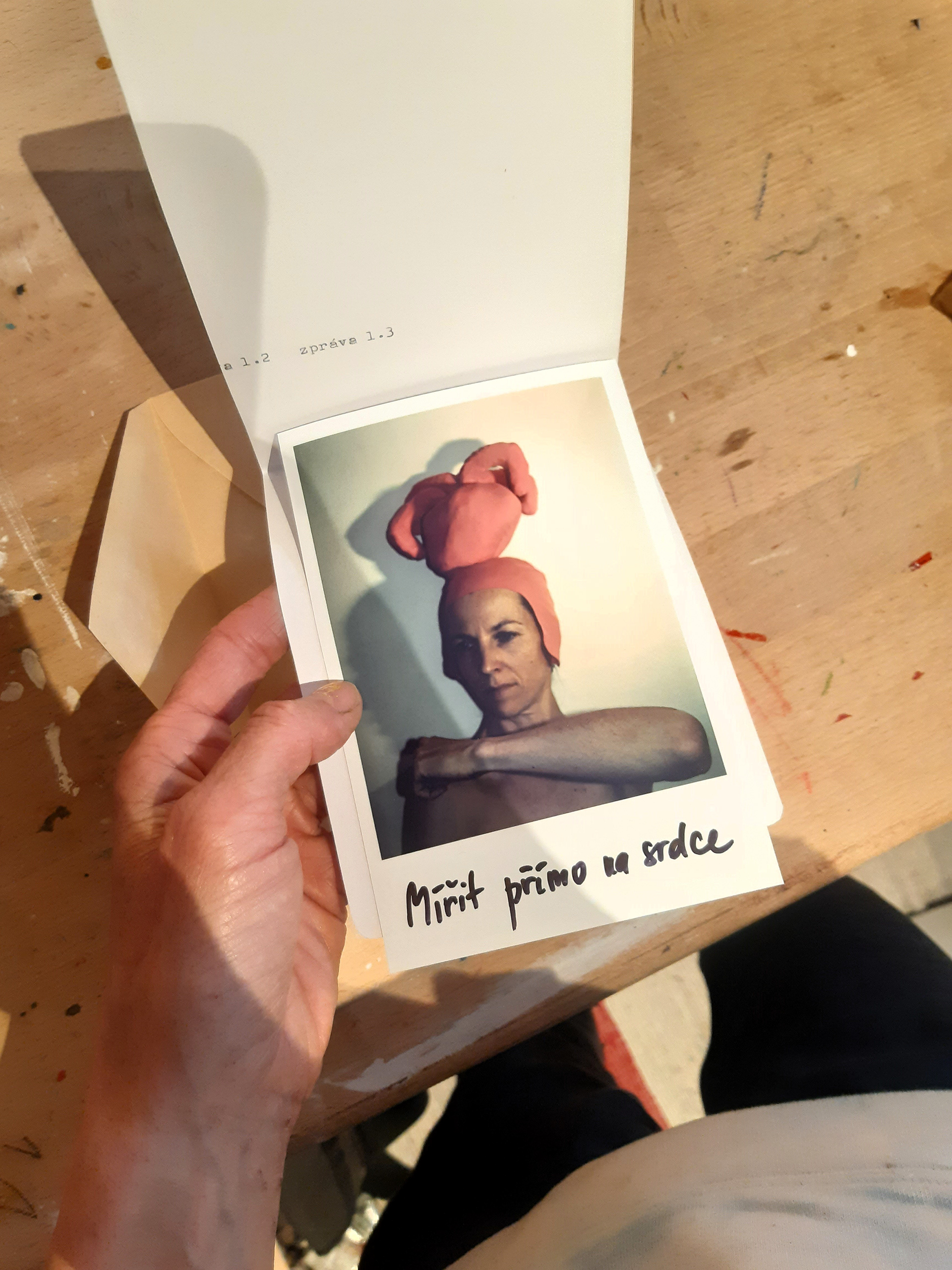
It is a tangible transfer – by post. A message can take the form of a drawing, a print, a text, a code, or anything in between. It is a way of amplifying our presence in the world – not to disappear – and yet to remain unseen.
It is a tangible transfer – by post. A message can take the form of a drawing, a print, a text, a code, or anything in between. It is a way of amplifying our presence in the world – not to disappear – and yet to remain unseen.
We make no demands for reciprocity. We are aware of the pressure and responsibility that we test within the intimacy we establish. Ideally, we turn this non-ideal state to our own advantage.
Questions the project poses
What meanings can we read from a visual (visual–media) message?
Which meanings do we most often lose in communication?
What factors influence our reaction – our response?
What truly prevents us from being consistent, faithful, immune?
Which meanings do we most often lose in communication?
What factors influence our reaction – our response?
What truly prevents us from being consistent, faithful, immune?
Is the silent mail silent because it is secret?
What do we hide from ourselves – and from others?
Where do we store those secrets?
Can they be seen? Can they be transmitted? Does that process make us stronger?
What do we hide from ourselves – and from others?
Where do we store those secrets?
Can they be seen? Can they be transmitted? Does that process make us stronger?
What kind of immunity do we need?
What kind of autonomy?
What do we need to say?
Can paper scream?
What kind of autonomy?
What do we need to say?
Can paper scream?
Intro
We are artists, mothers, students, workers. We connected through a shared experience in 2022, which resulted in a publication–object–strategy titled The Exercise Book of Belonging. It responds to our need to learn how to inhabit new, asymmetric, or adverse places and situations.
Our specialty—at the level of the group—is composing experience. Each of us lives a different life and has different sensors, different antennae that register the unseen: spaces of power, pressure, concentration, absence, resistance, chance, isolation. Yet we share a specific sensitivity and are able to exchange our positions. It is surprising, nourishing, empowering.
We create a safe space—a space where this sensitivity can be cultivated, a space often missing in everyday life. We work from a genuine need for art—from a sense of solitude within our sensitivity, or rather, within our sensitivities. We cultivate our capacities for detection, acceleration, projection, and abstraction. We nurture them despite our individuality: each of us thinks for ourselves; we do not unify or average our perspectives, yet we need to share them. We work in spite of the system—in spite of the fatigue imposed by galleries and institutional frameworks. There is a political dimension to this as well.
We are here for one another, and that strengthens us. Our external resilience grows, allowing us to resist more powerfully, yet more economically. Through dialogue, we formulate—and continually redefine—the meaning and purpose of art.
We remain connected. We send signals to one another.
We are Martina Malinová, Kateřina Kuchtová, Seiko Hihara, Jitka Ribárová, Hana Chmelíková, Barbora Trnková.
________________________